
This page covers Germany, Austria, and Switzerland.
“What is this going to cost?” For many couples, it is one of the first questions, often as early as the initial consultation at the fertility clinic. That is understandable. Fertility treatment is an emotional burden. When financial uncertainty comes on top of that, it becomes doubly hard.
On the way to a pregnancy through assisted reproduction, several thousand euros quickly add up in Germany. Some people get by on €2,000, while others spend more than €30,000. The differences are enormous, and they depend not only on the method but also on how well you prepare for the financial side.
This guide lays out all the costs, method by method, with realistic benchmarks. You will learn what the health insurance fund covers, how you can get thousands of euros back through your taxes, and what financing options exist.
What does fertility treatment cost?
The honest answer: it depends. A simple IUI costs a few hundred euros. Three ICSI cycles with medication can reach €25,000 or more. The range is huge because the costs depend on several factors.
The method your doctor recommends makes the biggest difference. Then there is the number of treatment cycles, because few couples get pregnant on the first attempt. Medication costs vary depending on dose and protocol. And whether you have statutory or private health insurance changes your out-of-pocket cost significantly.
An important principle: plan generously. Don't budget for the best case (one cycle, pregnant right away) but for the realistic scenario of two to three attempts. That way you spare yourselves financial stress in the middle of treatment.
Besides the treatment itself, there are costs that many people don't have on their radar: diagnostics before treatment begins (blood tests, ultrasound, semen analysis), travel costs to the clinic, missed work for appointments, and, for some couples, psychological support. These additional costs add up to €500 to €2,000 over the entire course of treatment.
Here is the overall summary:
| Method | Cost per cycle | Medication | Total per attempt | Out-of-pocket cost with insurance (insurance fund rate, incl. medication) |
|---|---|---|---|---|
| IUI | €800 to €900 | none | €800 to €900 | approx. €100 |
| IUI with stimulation | €800 to €900 | approx. €70 to €740 | approx. €870 to €1,640 | approx. €475 |
| IVF | €3,000 to €5,000 | €1,000 to €2,000 | €4,000 to €7,000 | approx. €1,200 to €1,700 |
| ICSI | €4,000 to €6,500 | €1,000 to €2,000 | €5,000 to €8,500 | approx. €1,400 to €1,900 |
You can calculate your own out-of-pocket cost with the Fertility Cost Calculator, including health insurance, funding, and tax, for Austria and Switzerland as well.
The first columns are benchmark figures for self-pay patients. With an approved treatment plan, the practice bills at insurance fund rates, and the fund covers 50% of that, which is why the out-of-pocket cost in the last column is much lower (Augsburg, vitro-med). For details, see cost coverage. Actual costs vary depending on the clinic, region, and individual treatment plan. The IUI prices come from a Munich fertility practice (billed under the German fee schedule for physicians), and the medication range for IUI comes from that practice and the vitro-med practice.
Infertility treatment cost: Germany, Austria & Switzerland
Cost per cycle in Germany, Austria & Switzerland: IUI from €200, IVF €3,500 to €6,000, ICSI €4,500 to €7,000. What insurers pay, state funding, and tax.

IUI: the most affordable option
Insemination (IUI) is the entry point into reproductive medicine. In this procedure, prepared sperm is placed directly into the uterus. The procedure takes a few minutes, needs no anesthesia, and is done on an outpatient basis.
What exactly does an IUI cost?
If you pay yourself, an IUI costs around €800 to €900 per cycle under the German fee schedule for physicians, ultrasound and hormone monitoring included. With hormonal stimulation, medication comes on top, ranging by product from around €70 (Munich practice) to around €740 (vitro-med). With an approved treatment plan from the statutory health insurance fund, billing follows insurance fund rates, and in the vitro-med example your out-of-pocket cost is then around €100 without and around €480 with stimulation. You can find all the details on IUI cost in the dedicated article.
Plan for several attempts. With three cycles as a self-pay patient without stimulation, you come to around €2,400 to €2,700.
IUI is mainly an option when sperm quality is mildly reduced or the cervical mucus does not let sperm pass through well. For single women using donor sperm, IUI is also often the first step, because it is outpatient, not very burdensome, and comparatively inexpensive.
Important for cost planning: the success rate per IUI cycle is 10% to 15%. That sounds low, but over several cycles the overall chance rises considerably. Even so, you should talk openly with your doctor about the point at which switching to IVF makes more sense. Three unsuccessful IUI cycles cost a self-pay patient about €2,400 to €2,700 together, plus medication, but if the diagnosis points to IVF from the start, you save time and stress.
IUI cost 2026 in Germany, Austria and Switzerland
IUI cost in Germany, Austria, and Switzerland: about €800 to €900 per cycle plus medication for self-pay patients. What health insurance covers.

IVF: the classic
During in vitro fertilization, eggs are retrieved after hormonal stimulation and fertilized in the lab. The procedure is more involved than an IUI, but the success rates per cycle are considerably higher.
What does IVF cost?
An IVF cycle in Germany costs between €3,000 and €5,000 for the treatment itself. Medication costs of €1,000 to €2,000 come on top. In total: €4,000 to €7,000 per attempt. You can find a detailed breakdown under IVF cost.
Where exactly your money goes: the hormone medications are often the biggest item. FSH medications cost €800 to €1,800 per cycle, depending on the dose. Egg retrieval comes to €800 to €1,500. Lab work and embryo culture cost another €1,000 to €2,000. The embryo transfer itself is comparatively inexpensive at €300 to €500.
Medication costs are the most variable item. A woman with low AMH needs higher doses and pays at the upper end. A woman with a good ovarian reserve gets by with less. So ask your doctor for an individual estimate instead of relying on general benchmarks.
One item many people forget: some clinics charge separately for the initial consultation and diagnostics. This “intake examination” can cost €300 to €800 before the actual treatment even begins.
Statistically, couples need 2 to 3 cycles on average. The realistic total bill for a successful IVF treatment is therefore €10,000 to €20,000.
A cost factor many people underestimate: if surplus embryos are frozen during the first cycle, a later frozen embryo transfer costs only €800 to €1,500, because the expensive stimulation and egg retrieval are no longer needed. That is why a “good” first cycle with many eggs can significantly reduce the overall cost, even if the first transfer does not work right away.
IVF cost in Germany 2026: price per cycle and insurance
An IVF cycle in Germany costs €3,500 to €6,500, medication included. What insurance pays, which 9 German states offer funding, and what is tax deductible.

ICSI: when more support is needed
In ICSI, a single sperm is injected directly into the egg. The procedure is used mainly when sperm quality is reduced. According to the German IVF Registry (Deutsches IVF-Register, D.I.R.), about two thirds of all fresh fertilization cycles in Germany are performed as ICSI (2024: 66.5%).
What does ICSI cost?
ICSI costs about €500 to €1,500 more than conventional IVF. The lab effort is greater because each egg is handled individually under the microscope. Per cycle, you should expect €5,000 to €8,500 including medication. More on this under ICSI cost.
Hidden costs many people don't have on their radar: if sperm has to be retrieved surgically (TESE), another €800 to €2,000 comes on top, according to familienplanung.de. Blastocyst culture (5-day culture instead of 2 to 3 days) costs €500 to €800 extra. Cryopreservation of surplus embryos: €300 to €500 plus annual storage fees of €200 to €400. And if preimplantation genetic testing (PGT) is an option, which is allowed in Germany only under narrow legal conditions, expect €2,000 to €5,000 on top.
Couples often see only the “basic treatment” in the cost estimate at first. Then surcharges for assisted hatching, extended culture, or cryopreservation are added, and the bill suddenly turns out much higher than expected. So the rule is: always ask your clinic for a detailed cost estimate that lists all possible additional services.
ICSI cost 2026 in Germany, Austria, and Switzerland
ICSI cost in Germany, Austria & Switzerland: usually €4,500 to €5,500 per cycle with medication, €1,500 to €2,000 more than IVF. Insurance, hidden costs.

What does the health insurance fund pay?
The question of coverage is just as important to most couples as the treatment itself. The good news: you don't have to bear everything alone. The bad news: the system is complicated and depends on many factors.
Statutory health insurance
Under certain conditions, couples with statutory health insurance are entitled to 50% of the treatment costs for up to three attempts of IVF or ICSI (up to eight for IUI without stimulation). The conditions:
- Each fund pays only for the treatment steps performed on its own insured person
- The couple must be married (legal requirement)
- Both partners at least 25 years old, the woman younger than 40 (entitlement ends on the 40th birthday)
- The man younger than 50
- Only the couple's eggs and sperm may be used
What many people don't know: some health insurance funds pay more than the statutory 50%. AOK PLUS (Saxony, Thuringia) covers 75% under its bylaws, AOK Bayern pays an additional €500 per attempt, and TK (Techniker Krankenkasse) pays a subsidy of up to €500 toward the out-of-pocket cost for IVF or ICSI. Switching funds before treatment begins can therefore be worthwhile, but note the 12-month commitment period.
Before you begin treatment, you need a “treatment plan” that your doctor issues and submits to the fund. Without this approved plan, the fund pays nothing at all. Approval can take a few weeks. Build this step into your schedule so that you don't have to pre-finance costs out of your own pocket.
Private health insurance
Patients with private health insurance often have an advantage: many private health insurance plans cover 100% of the costs, and without a limit of three attempts. However, this depends on the plan, and usually the cause must lie with the insured person. Older plans sometimes exclude fertility treatment. Be sure to clarify this in writing with your insurer before treatment begins.
Funding from the German states
Eight German states provide additional funding for fertility treatment, together with the federal government through the federal initiative “Help and Support for Involuntary Childlessness”: Bremen, Hesse, Mecklenburg-Western Pomerania, Rhineland-Palatinate, Saarland, Saxony, Saxony-Anhalt, and Thuringia. Since June 1, 2026, Lower Saxony has not approved any new applications. Only IVF and ICSI are funded. For married couples, the federal government and the state together usually cover up to 50% of the out-of-pocket cost, capped at maximum amounts per cycle (often €800 for IVF and €900 for ICSI). Combined with the statutory health insurance benefit, your out-of-pocket cost drops noticeably.
The application must be submitted to the responsible approval authority of your state before treatment begins. Retroactive applications are not possible. Tip: Submit the application in parallel with the insurance fund approval process so that you don't lose time.
The funding also applies to unmarried heterosexual couples (federal government up to 12.5% for the 1st to 3rd attempt) and extends to the fourth attempt, which statutory health insurance no longer subsidizes. Check the specific conditions in your state, because the rules change, and according to the Fertility Information Portal (Informationsportal Kinderwunsch), federal funds are currently scarce.
You can compare what individual funds pay and which conditions apply in our overview, What the health insurance fund pays.
Deducting fertility treatment from your taxes
In Germany, you can claim what you pay for treatment yourself as an extraordinary burden, even as an unmarried couple. For tax purposes, however, only the portion above your reasonable burden counts, and that amounts to 1% to 7% of your total amount of income, depending on income, marital status, and number of children (section 33 of the German Income Tax Act, Einkommensteuergesetz, EStG). You can find all the rules and worked examples in the guide Deducting fertility treatment costs from your taxes.
Is IVF tax deductible in Germany, Austria & Switzerland?
Is fertility treatment tax deductible? Yes, as an extraordinary burden. Rules, reasonable burden, examples, and tips for Germany, Austria, and Switzerland.

Elective egg freezing: the cost of planning ahead
Elective egg freezing, the precautionary freezing of eggs without a medical reason, is an option for women who want to postpone having a child. As a rule, you bear the costs entirely yourself, because no health insurance fund pays for elective egg freezing without a medical indication.
What does elective egg freezing cost?
For a stimulation cycle with egg retrieval, you pay €2,500 to €4,500. Medication costs an additional €1,000 to €2,000. Annual storage runs €200 to €400. You can find a detailed breakdown under egg freezing cost.
Many women need two stimulation cycles to store enough eggs (depending on age, about 10 to 20 for a good chance). Realistic total budget for freezing: €7,000 to €13,000. On top of that come later costs for thawing, fertilization, and transfer of €3,000 to €5,000.
When elective egg freezing pays off most financially: the younger you are, the more eggs you retrieve per cycle and the higher the later chance of success. Under 35 is the sweet spot. Over 38 it becomes biologically and financially much less attractive, because you need more cycles and egg quality declines.
There is one exception to coverage: if you need to freeze eggs for medical reasons (for example before chemotherapy), the health insurance fund has fully covered the costs of cryopreservation and storage since July 2021 (for women until their 40th birthday). This counts as “fertility preservation” and is treated differently from elective egg freezing for personal reasons.
Egg freezing cost 2026 in Germany, Austria & Switzerland
Egg freezing cost in Germany, Austria, and Switzerland: €2,500 to €4,500 per cycle plus €270 to €600 storage per year. Total cost by age and ways to save.
Sperm donation: what donor sperm costs
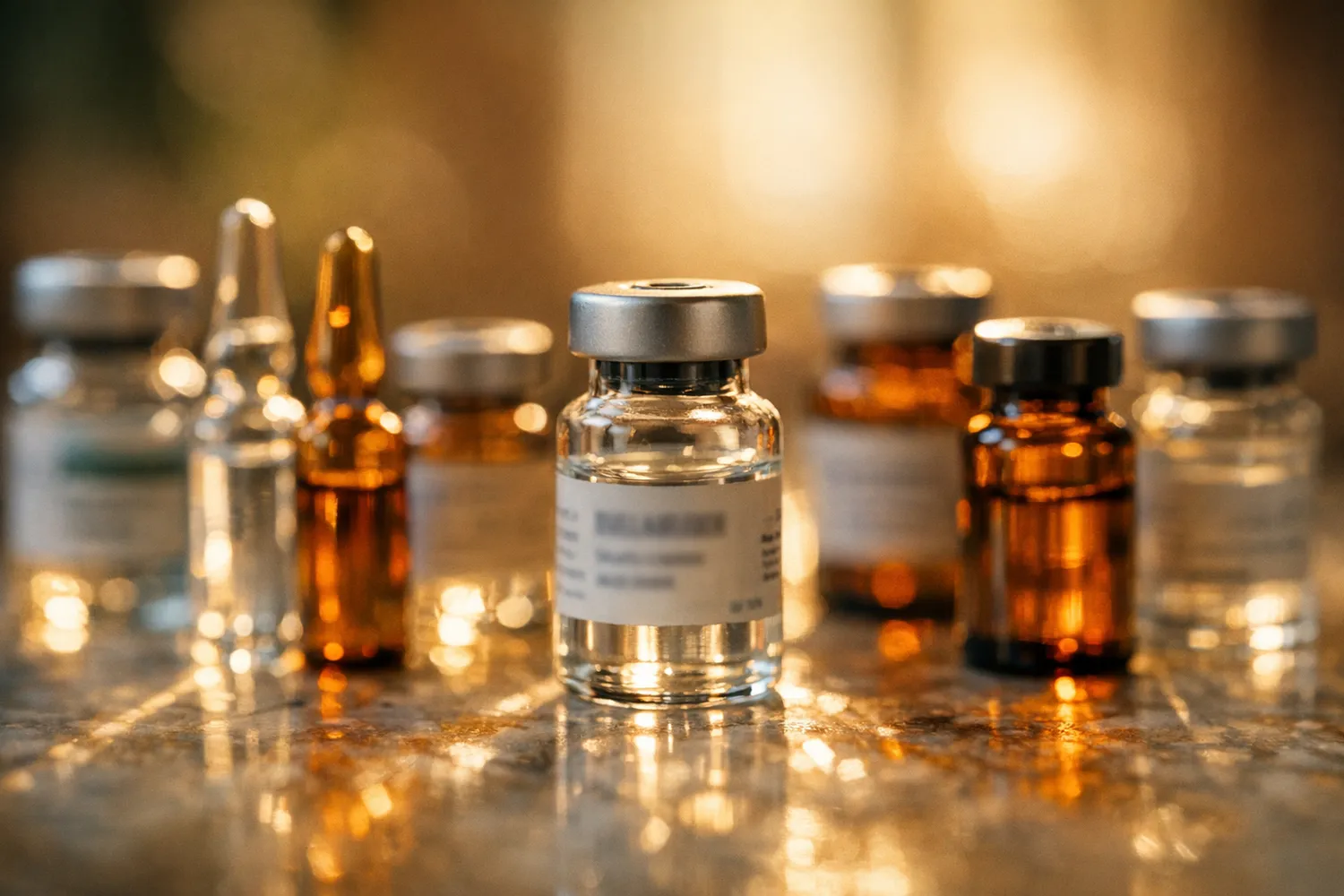
For treatment with donor sperm, the sperm bank's fees come on top of the treatment costs: according to familienplanung.de, €700 to more than €1,000 per portion. Statutory health insurance pays nothing in this case, because it pays only when the eggs and sperm come from the married partners, and federal funding does not apply. According to the state guidelines, Bremen, Hesse, Rhineland-Palatinate, and Saarland fund female couples from state funds. You can find a comparison of sperm bank and clinic prices under donor sperm cost.
Donor sperm cost 2026 in Germany, Austria & Switzerland
Donor sperm: €864 to €2,476.30 per insemination at six German sperm banks (October 2026), plus treatment and insurance in Germany, Austria & Switzerland.

Diagnostics: what the work-up costs
Before treatment even begins, there is diagnostics. And that costs money too, which many couples don't factor in.
Semen analysis
Under the German fee schedule for physicians, a basic semen analysis including consultation costs about €37.50 to €47 when paid privately, and about €51 to €60 with an additional MAR test. Statutory health insurance covers the costs when a doctor orders the test for evaluation. Self-pay patients who book an appointment of their own choosing pay at the fee schedule rate.
In Austria, prices are similar (€70 to €150), and in Switzerland, at CHF 100 to CHF 200, somewhat higher. More on this under semen analysis cost.
Semen analysis cost 2026 in Germany, Austria & Switzerland
What does a semen analysis cost at the urologist? About €40 to €200 self-pay; insurance pays for medical reasons. Prices for Germany, Austria, Switzerland.

Hormone testing and fertility check
A fertility check for the woman (AMH, FSH, LH, estradiol, TSH plus ultrasound) costs €150 to €400 as a self-pay service. If you have a concrete wish to have a child, the fund usually covers basic diagnostics in full.
Specialized tests such as tubal patency testing (HyCoSy) cost an additional €200 to €500 and are usually reimbursed when medically indicated.
A sensible approach: have the basic diagnostics done through your health insurance fund before you go to a fertility clinic. Your gynecologist can test hormone levels, do a baseline ultrasound, and order a semen analysis. That gives you a first assessment that costs nothing extra. Only once the baseline values are available is it worth booking the appointment at the specialized clinic.
Does insurance cover egg freezing in Germany? AOK and IVF
What does the AOK pay for in Germany? 50% for IVF and ICSI, egg freezing only with cancer or another germ cell-damaging therapy. All 2026 conditions.

Country comparison: Germany, Austria, Switzerland
The costs of fertility treatment differ significantly across Germany, Austria, and Switzerland (the DACH region). This is due to different reimbursement systems, not to the quality of medicine.
Germany
The German system is two-tiered. Statutory health insurance covers 50% for up to three attempts of IVF or ICSI (IUI without stimulation up to eight), but only under certain conditions: marriage, age limits (both 25 or older, woman under 40, man under 50), only their own eggs and sperm. In addition, there are bylaw benefits from individual funds (for example 75% at AOK PLUS) and, in eight states, funding programs that reduce the out-of-pocket cost further.
One advantage in Germany: the costs can be deducted as an extraordinary burden, and the reasonable burden is 1% to 7% depending on income and marital status. The costs are also deductible in Austria and Switzerland, but their own deductibles apply there. If you combine the insurance benefit, state funding, and tax savings, your actual out-of-pocket cost can drop to under €1,000 per cycle.
The biggest weakness: the system is bureaucratic. Apply for a treatment plan, wait for insurance fund approval, submit a funding application, file a tax return. If you want to use every lever, you need patience and organization.
Austria
With the IVF Fund (IVF-Fonds), Austria has the most generous reimbursement system in the DACH region. The fund covers 70% of the costs for IVF and ICSI, for up to four attempts, including for registered partnerships and cohabiting partnerships. The requirements are one of the specified diagnoses (fallopian tubes, endometriosis, PCOS, or a male cause) and a primary residence in Austria for at least one partner. Women must be younger than 40 at the start of an attempt, men younger than 50. Since the 2015 amendment to the Reproductive Medicine Act (Fortpflanzungsmedizingesetz), egg donation and sperm donation are also permitted for IVF.
The co-payment per IVF attempt is about €970 in public hospitals (rate from July 2025) and about €1,140 to €1,210 in the private contract centers (from July 2026, including VAT). An ICSI there costs up to €1,330. German married couples pay about €1,200 to €1,700 per IVF cycle themselves after statutory health insurance reimbursement, according to clinic information, so usually more. The medication is included in both amounts, and for the IVF Fund through the fund rate, which also covers the drugs.
Switzerland
In Switzerland, basic health insurance pays only for IUI (a maximum of three cycles per pregnancy, subject to the deductible and co-payment) and for medically necessary fertility preservation, for example before cancer treatment. IVF and ICSI are expressly excluded. Supplemental insurance does not cover this in most cases either. Couples bear the full costs themselves, and treatment prices are higher than in neighboring countries. An IVF cycle in Switzerland costs CHF 6,000 to CHF 10,000.
Good to know: in Switzerland, preimplantation genetic testing has only been permitted since September 2017.
Some Swiss couples therefore have treatment in Germany or Austria. Clinic quality is comparable, and costs are significantly lower. Border cantons such as Basel, Zurich, and St. Gallen have short distances to German and Austrian clinics.
Cost comparison at a glance
| Country | Insurance benefit | Out-of-pocket cost per IVF cycle | Max. attempts | Special features |
|---|---|---|---|---|
| Germany | 50% (statutory health insurance) | approx. €1,200 to €1,700 | 3 | State funding possible |
| Austria | 70% (IVF Fund) | approx. €970 to €1,210 | 4 | Most generous reimbursement in the DACH region |
| Switzerland | IUI only | CHF 6,000 to CHF 10,000 | IUI: 3 per pregnancy | No insurance benefit for IVF/ICSI |
Saving tips and financing
Fertility treatment is expensive. But there are ways to reduce the burden. These strategies help:
The biggest lever is the health insurance fund. Before treatment begins, check which statutory fund offers the best bylaw benefits for fertility treatment. Some funds pay significantly more than 50%, AOK PLUS for example 75%. Switching takes time (12-month commitment period), so start early.
Alongside the fund, it is worth looking at state funding. In eight states, including Saxony, Thuringia, and Rhineland-Palatinate, there are subsidies toward the out-of-pocket cost. You must submit the application before treatment begins. And don't forget your tax return: collecting all receipts (including travel costs and parking fees) can get you a noticeable amount of money back.
There is also savings potential with medication. Biosimilars (follow-on products) for FSH medications are up to 30% cheaper than the originals. Ask your doctor whether switching is an option for you. It is also worth comparing clinics: prices vary between centers, and some offer package prices. But never choose a clinic on price alone. The success rate is more important, because one successful cycle is always cheaper than three failed ones.
Many clinics offer installment payments, often interest-free over 6 to 12 months. Ask about it actively. And one more important point: not every couple needs IVF right away. If an IUI has a realistic chance, you save money with 3 IUI cycles (about €2,400 to €2,700 as a self-pay patient, plus medication) compared with one IVF cycle (€4,000 to €7,000).
If surplus embryos are frozen during the first IVF or ICSI cycle, a later frozen embryo transfer is possible for €800 to €1,500. That is significantly cheaper than a new full cycle. That is why it can be worthwhile to stimulate somewhat more strongly in the first cycle (in consultation with your doctor) to obtain enough eggs for later attempts.
And finally: the younger you are, the higher the success rate per cycle. According to the German IVF Registry, the live birth rate per transfer with ICSI is about 33% under age 30 and only 13% at age 40. An earlier start therefore usually means fewer attempts and lower costs.
What an unsuccessful treatment costs
A topic nobody likes to bring up: not every treatment leads to success. And every unsuccessful cycle costs money. How do you deal with that?
First: the cumulative success rates are better than the per-cycle rates. After three embryo transfers, the cumulative pregnancy rate is about 64% according to the German IVF Registry. But that also means that about a third of women are still not pregnant after three transfers.
Second: define a financial limit in advance. How many cycles can you afford? At what amount will you stop? This decision is hard, but it protects you from the spiral of “just one more attempt.” Some couples go into debt for 6 or 7 cycles. This is not advisable.
Third: if three cycles remain unsuccessful, a second assessment is worthwhile. Perhaps the cause lies in the protocol, the lab, or an overlooked factor. Switching clinics or expanded diagnostics (immunology, endometriosis work-up, sperm DNA fragmentation) can make more sense than the same approach every time.
Frequently asked questions
What does a complete IVF cycle with medication cost?
Expect €4,000 to €7,000 per cycle. The treatment itself costs €3,000 to €5,000, plus medication of €1,000 to €2,000. With several cycles, this adds up to €10,000 to €20,000.
Does the health insurance fund also pay for unmarried couples?
The basic statutory benefit (50% for three attempts) requires marriage. The Federal Social Court (Bundessozialgericht, BSG) has also ruled that voluntary bylaw benefits from individual funds for unmarried couples are not permitted (judgment of November 18, 2014, B 1 A 1/14 R). However, unmarried heterosexual couples can apply for federal and state funding for IVF and ICSI in eight German states. Check the rules in your state.
How much can I get back in taxes?
That depends on your income and the costs you bear yourself: the higher the income, the higher the reasonable burden, but also the tax rate. For a married couple without children with a total amount of income of €60,000, the reasonable burden, calculated in steps, is about €2,935. Only what exceeds that reduces taxable income. You can find worked examples in the guide on tax deductibility.
Are there less expensive alternatives to IVF?
Yes. IUI costs only a fraction of IVF. If the diagnosis allows it, start with 3 to 6 IUI cycles before switching to IVF. In some cases, hormone therapy without insemination can also be enough.
What do stimulation medications cost?
FSH medications (Gonal-f, Puregon, or biosimilars) cost €800 to €1,800 per cycle, depending on the dose. GnRH antagonists add €200 to €400. The trigger shot (hCG) costs €50 to €100.
Are the costs of a semen analysis reimbursed?
Yes, if a doctor orders the test for evaluation. Statutory health insurance then covers a semen analysis as an insurance benefit. Without a doctor's order, you pay as a self-pay patient at the fee schedule rate: about €37.50 to €47 including consultation, and about €51 to €60 with a MAR test.
How do the costs differ in Germany, Austria, and Switzerland?
Germany: statutory health insurance pays 50% for three attempts, and the out-of-pocket cost according to clinic information is about €1,200 to €1,700 per IVF cycle including medication. Austria: the IVF Fund pays 70% for four attempts, with a co-payment of about €970 to €1,210 per IVF attempt including medication, depending on age and center. Switzerland: no insurance benefit for IVF and ICSI (IUI only), full costs of CHF 6,000 to CHF 10,000 per cycle.
Is supplemental insurance for fertility treatment worth it?
As a rule, not after the fact. Most supplemental insurance policies exclude an existing wish to have a child or have waiting periods of 8 to 24 months. If you think of it early enough (before the wish to have a child becomes concrete), a good private health insurance plan or a fund with strong bylaw benefits can be worthwhile.
What does elective egg freezing cost in total?
Expect €7,000 to €13,000 for freezing (1 to 2 cycles including medication). Annual storage costs of €200 to €400 come on top. Later, costs for thawing, fertilization, and transfer of €3,000 to €5,000 are added.
Can you finance fertility treatment or pay in installments?
Many clinics offer installment payments, often interest-free over 6 to 12 months. There are also specialized medical financing providers. Important: compare the terms and don't take out an expensive consumer loan. First check all reimbursement and funding options before you finance.
Conclusion
Depending on the method, fertility treatment costs from a few hundred to several thousand euros per attempt, and it usually takes more than one. How much you bear yourself depends mainly on marital status, health insurance fund, state, and country of residence. Plan for several cycles, apply for subsidies before treatment begins, and collect all receipts for your taxes. Our Fertility Clinic Finder helps you find the right clinic for your situation.
Sources
- Fertility treatment: What is allowed and who bears the costs?, familienplanung.de / Federal Institute for Public Health, 2026
- Section 27a of Book V of the Social Code (SGB V): Assisted reproduction, Federal Ministry of Justice, as of 2026
- Funding check: Funding in the German states, Fertility Information Portal of the Federal Ministry of Education, Family Affairs, Senior Citizens, Women and Youth (BMBFSFJ), 2026
- Assisted reproduction: TK benefits, Techniker Krankenkasse, 2026
- Section 33 EStG: Extraordinary burdens, Federal Ministry of Justice, as of 2026
- BFH, judgment of January 19, 2017, VI R 75/14: Stepwise calculation of the reasonable burden, Federal Fiscal Court (Bundesfinanzhof), 2017
- Costs of fertility treatment, kinderwunschaerztin.de (Munich fertility practice), 2026
- Requirements and costs of therapy, vitro-med Kinderwunschzentrum, 2026
- Cost arrangements, Kinderwunschzentrum Augsburg, 2026
- BSG, judgment of November 18, 2014, B 1 A 1/14 R: No bylaw benefits for unmarried couples, Legal Tribune Online, 2014
- Funding guideline for assisted reproduction in Hesse, Regional Council of Gießen, 2023
- BFH, judgment of October 5, 2017, VI R 47/15: Fertility treatment in a same-sex partnership, Federal Fiscal Court (Bundesfinanzhof), 2017
- German Fee Schedule for Physicians, Federal Ministry of Justice, as of 2026
- D.I.R. Yearbook 2024, German IVF Registry, 2025
- We would like a baby: Information on the IVF Fund, Austrian Ministry of Social Affairs, 2025
- KLV Annex 1: Benefits of basic health insurance, Federal Office of Public Health (BAG), 2026